

International Trade

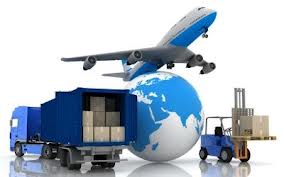
As a nation that exports over thirty percent of its GDP abroad - primarily to the U.S. - Canada has an important role to play in the international economy. Thousands of jobs are created each year due to strong demand for Canadian exports while a significant part of our monetary and fiscal policy decisions are influenced by movements in global capital and currency markets. The study of international economics examines such topics as comparative advantage and the rationale for trade, protectionism vs. free trade, the balance of international payments, exchange rate determination and global competitiveness issues.
Globalization
According to the on-line encyclopedia Wikipedia,
Globalization (or globalization) refers to the worldwide phenomenon of technological, economic, and cultural change, as brought about by expanding facilities for intercommunication and interdependency between traditionally isolate cultures. Dramatically increased international trade and finance have established a medium wherin deeper cultural exchanges have taken place —greatly increasing the impact of global issues at the local scale.
Whether this on-going phenomenon is beneficial or harmful remains a highly contentious topic. Further investigation of globalization and increasing economic integration will enable students to develop a better understanding of the relative advantages and disadvantages. (Use an organizer to compare the pros and cons of globalization/economic integration)
Web Links
Globalization 101: Student's Guide to Globalizationh .... Globalization (Wikipedia) ...... Debating Pros & Cons of Globalization
Economic Integration - Globalization & Free Trade Perspectives
European economic integration has created the largest trading block in the World. The most recent phase of this integration is European Monetary Union whereby twelve EU member states have united to form a single currency area.
The Pros and Cons of North American Monetary Integration (download PDF file of essay on this topic)
- Most books in the series deal with a particular foreign country, describing and analyzing its political, economic, social, and national security systems and institutions
World Trade Organization (WTO)
This global organization operates a system of trade rules with the goal of liberalizing international trade flows. Check the links below for further information.

Development Agencies/Organizations
OECD - Organisation for Economic Cooperation and Development
IMF - International Monetary Fund
Human Development Reports - United Nations Development Programme
International Balance of Payments
Click on the following presentation link for a thorough overview of the balance of payments and the various macroeconomic problems that arise for domestic policy makers as they engage in trade and investment with other nations.
Classification Exercise: Balance of Payments Game
Try the following game testing your knowledge of the balance of payments
Fixed vs. Flexible Exchange Rates
Review this video to help complete your notes on foreign exchange markets.
(tutor2u site)
The Relationship Between the Current Account Balance and Exchange Rates
Observe the following YT video lesson (a must for HL students) illustrating how trade flows should lead to an appreciation and depreciation of currencies in a floating exchange rate system. In the case of China, however, central bank policy - aimed at buying large quantities of US government debt - keeps the supply of Chinese currency high in the US and the demand for US dollars high in China. This means the dollar remains stronger than it otherwise might relative to the Chinese RMB, contributing to the persistent trade deficits the US exhibits in its trade with China.
Balance of Payments Data
Visit the IMF site for country balance of payments statistics.
Trade
